What Early Signs May Reveal
Rio Rancho’s homes have been building since 1962, and each lot has its own foundation, paving, and landscaping. Soil access around a house near State Road 4 can differ from a paved edge near Route 66, so an inspection should guide station placement rather than assume one layout fits all.
Rio Rancho’s dry conditions do not rule out termites. Watering, drainage, or wood touching soil can create localized conditions worth checking. Around homes near The HUB or Haynes Park, a provider should document those conditions and explain whether they affect station access or the proposed monitoring plan.
Inquiries about termite activity can arise in Rio Rancho or elsewhere in Sandoval. Service boundaries do not always follow a city line, so a homeowner should give the property address and confirm that the pros we connect you with can take a call for that location.
Mud Tubes and Other Clues
- MECHANISM
- Stations hold bait cartridges; the provider records their locations so checks can be tied to the site plan.
- CARTRIDGE
- The written monitoring schedule states when stations are checked and how findings are reported.
- CHECKS
- A station that is covered, paved over, or damaged may not be available for a reliable check.
- PLACEMENT
- The monitoring schedule should also state how often station activity is reviewed during the service period.
- SERVICE TERMS
- Trelona ATBS stations hold BASF termite bait cartridges; a property near Cabezon Park or along State Road 4 needs mapped station locations and written service terms.
- FINDINGS
- Rio Rancho’s seasonal heat, summer storms, and cooler months can change soil moisture and station access around a home. Keep stations clear year-round and ask the provider whether weather or landscaping changes affect the planned check schedule.
- Damage repair
- an estimated $200–$350
When Wood Damage Needs Assessment
Drywood termite activity. It can be confused with subterranean activity when a homeowner sees only damaged wood, because both can affect wood. Drywood termites live in wood without soil contact; subterranean termites typically nest in soil. Check the station label and the cartridge information against the provider’s service record. Trelona ATBS refers to the bait system and its stations; a generic inspection marker or other pest device may look similar from above. Ask the provider to identify each station and its role on the site plan.
What Bait Station Monitoring Involves
Monitoring tracks station activity over time, helping the licensed pros we connect you with decide when cartridge service or follow-up is needed. The written report should show what was observed and explain why Trelona ATBS fits the property. It should also map proposed station locations and note access issues, such as paving or planted beds.
After the plan is agreed, the provider places stations and bait cartridges according to product directions, then records their locations. At later scheduled checks, the provider assesses station condition and activity and services cartridges as directed. Ask for visit records, the next monitoring date, and written terms for follow-up.
When inspection finds no activity needing continued checks, a one-time assessment may be all the owner needs. If a plan relies on bait stations, those stations need periodic monitoring. Ask how often checks are planned, what they assess, and whether the findings could change the plan.
WHEN A TERMITE INSPECTION ENDS AND MONITORING BEGINS
| Inspection Findings |
What Shapes the Approach |
|---|
| A faint sign flagged for inspection | Activity monitoring |
| Termite signs return after treatment | station monitoring |
| Activity showing beyond one spot in the house | Treatment finished; monitoring choices reviewed |
TREATMENT RULESNew Mexico guidance identifies category 7D for wood-destroying pest control. Ask the provider to explain applicable requirements and identify who performed the inspection and service. The invoice and agreement should state the inspection findings, Trelona scope, monitoring schedule, cartridge service, and follow-up terms.
Assessing Repairs After Termite Activity
If termite activity continues, damage can extend into wood inside walls or other concealed areas, where the surface may look sound. Repair may then require opening affected areas, assessing structural wood, and replacing damaged material. Ask the provider to document visible damage and clarify whether repairs fall outside the bait service agreement.
Spot Signs Without Opening Walls
From a safe standing position, compare visible station markers with the service map and read any care notes from the provider. Keep children and pets away from station parts. Do not lift lids, remove cartridges, or shift a marker. Write down questions about the Rio Rancho service schedule and agreement for the provider.
Safe Steps Around Suspected Activity
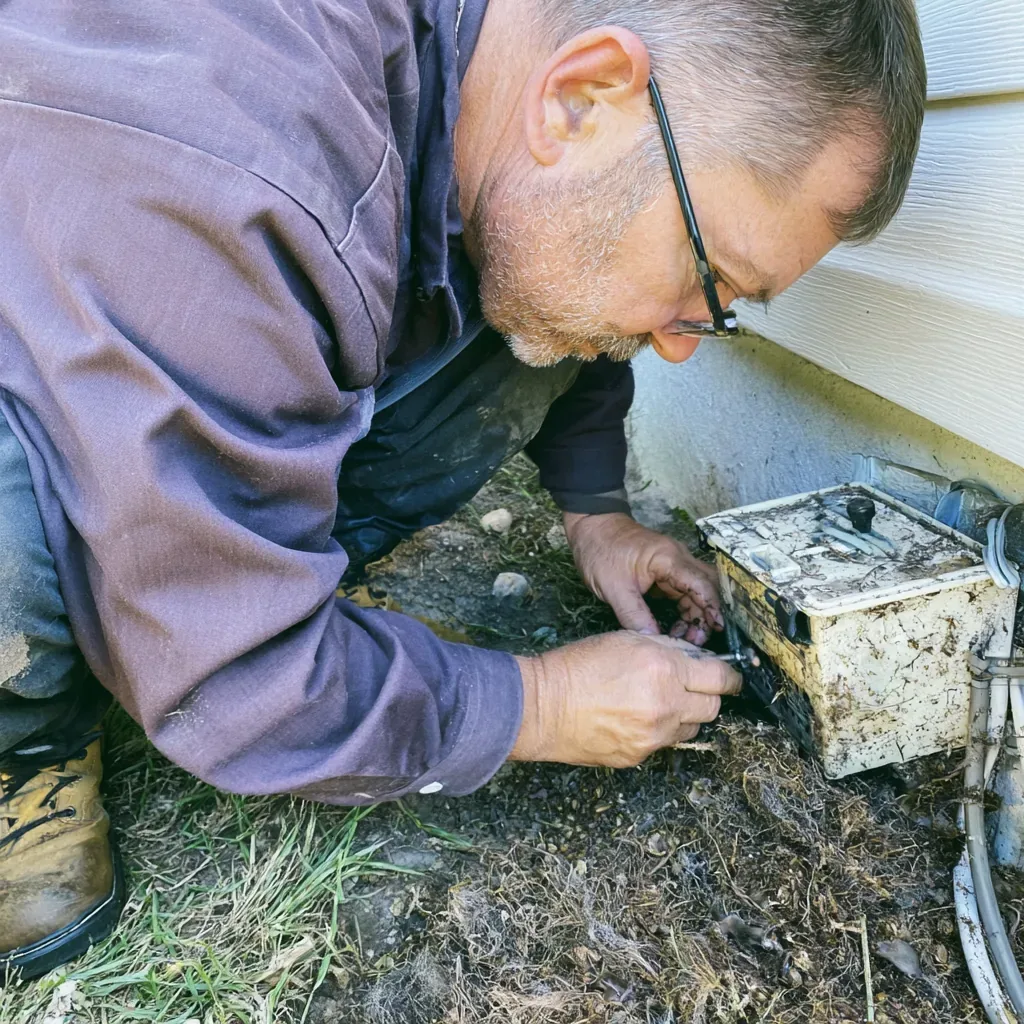
Trelona bait stations should remain closed and accessible for provider checks. Keep children and pets from disturbing a station, and do not open or move it; the cartridge and product directions are for professional service. If a lid is broken or bait is exposed, keep people clear and contact the provider. The inspection report and agreement should explain how damaged stations are handled.
What Goes Into a Termite Control Estimate?
Before choosing treatment, get the findings and proposed scope in writing; ask the pros we connect you with for a quote based on the property’s needs.The guide range is a starting point for inspection and treatment work; it does not settle charges for access limits, areas, monitoring, reporting, or wood repair. Ask the licensed pros we connect you with to note any wood repair separately from inspection and treatment work.Treatment recommendations depend on the issue and the property. pricing guide