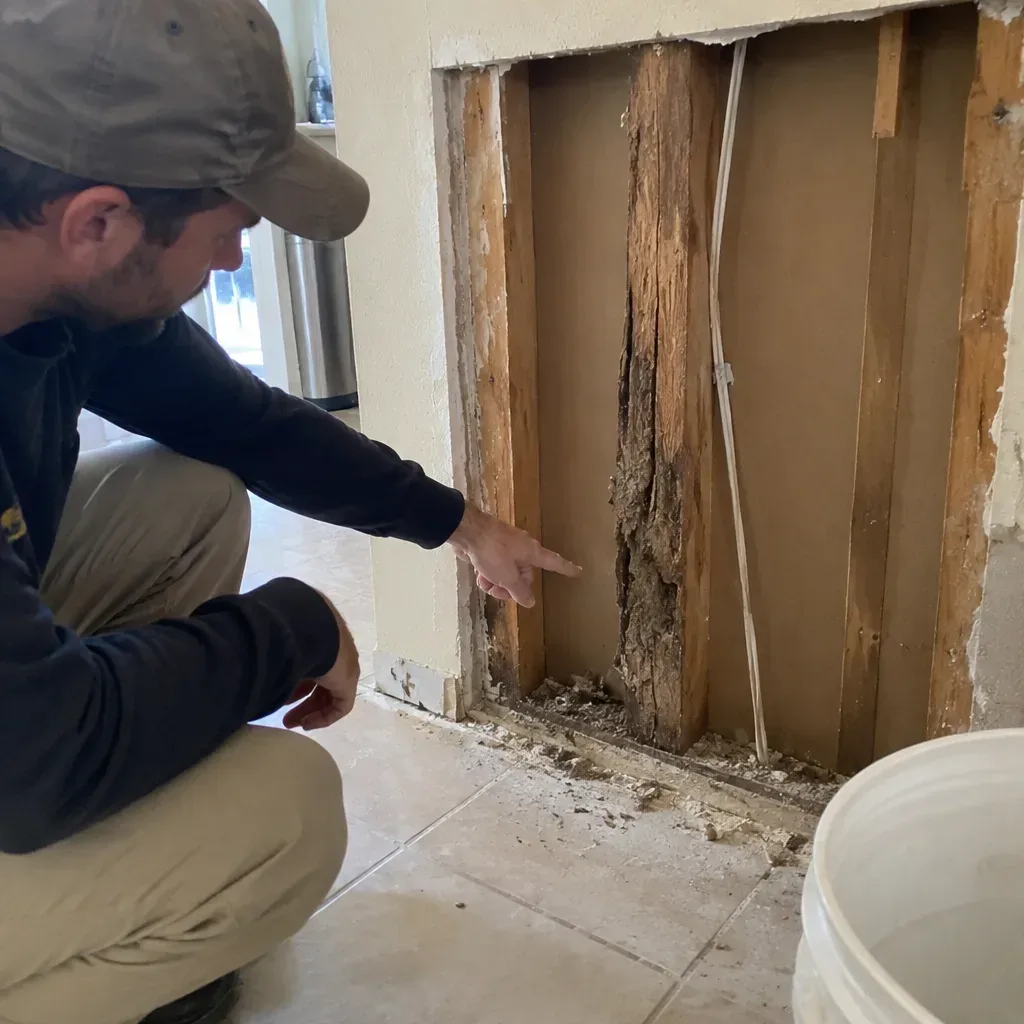
Termite Inspection
A step-by-step check of accessible areas, wood, and property conditions
View Termite Inspection help in Rio Rancho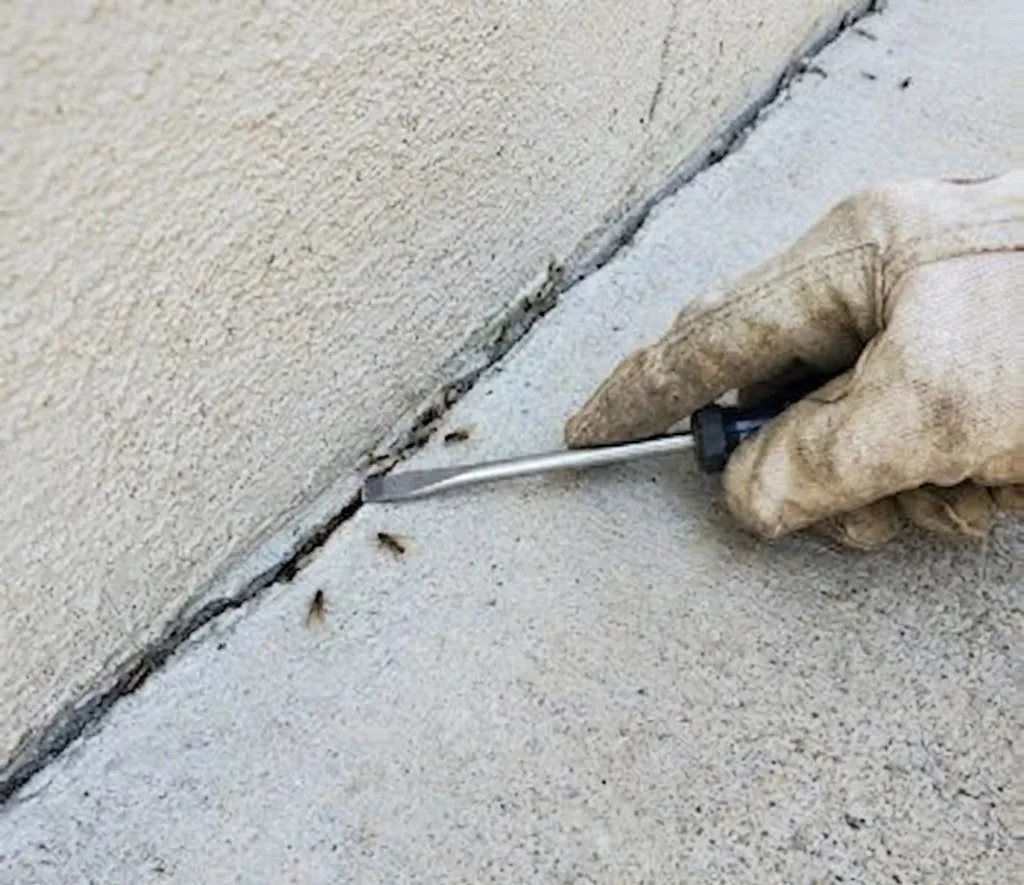
Rio Rancho termite work starts by establishing what the evidence can support; a damaged board alone does not show how termites reached it. Subterranean termites may enter from soil through hidden wood contact, while drywood termites can live inside wood. That difference shapes what an inspection needs to assess and what response may fit. The pros we connect you with can explain whether findings support treatment, station monitoring, reporting, or separate wood repair. For map context, an owner might identify a property by Cabezon Park, the Rio Rancho Aquatic Center, or Albuquerque Westside.
At a home near Osuna Park, a suspected sign is a reason to preserve what was found, not scrape it away or apply a product before assessment. Note the spot and what the owner observed, then share those details with the provider. That account can help an inspection focus on the concern without treating suspicion as confirmation. In Rio Rancho, the owner can ask which areas were checked, what remains uncertain, and whether the findings support treatment planning or further evaluation.
A finding does not set the follow-up terms by itself. In Rio Rancho, ask the pros we connect you with to put monitoring, coverage, and any conditions for retreatment in the written scope; those terms vary by agreement. Before treatment, ask what access or preparation is needed so the agreed work can be carried out as described. If wood needs repair, ask whether that is a separate task. Clarifying those responsibilities before work begins helps the owner understand what the treatment covers and what remains to be arranged.
Match the service to its setting: homeowners can start at residential termite control, and rental or business owners can begin with commercial termite control.
These pages cover termite inspections, treatment approaches, monitoring, and related work to discuss with providers.
A step-by-step check of accessible areas, wood, and property conditions
View Termite Inspection help in Rio Rancho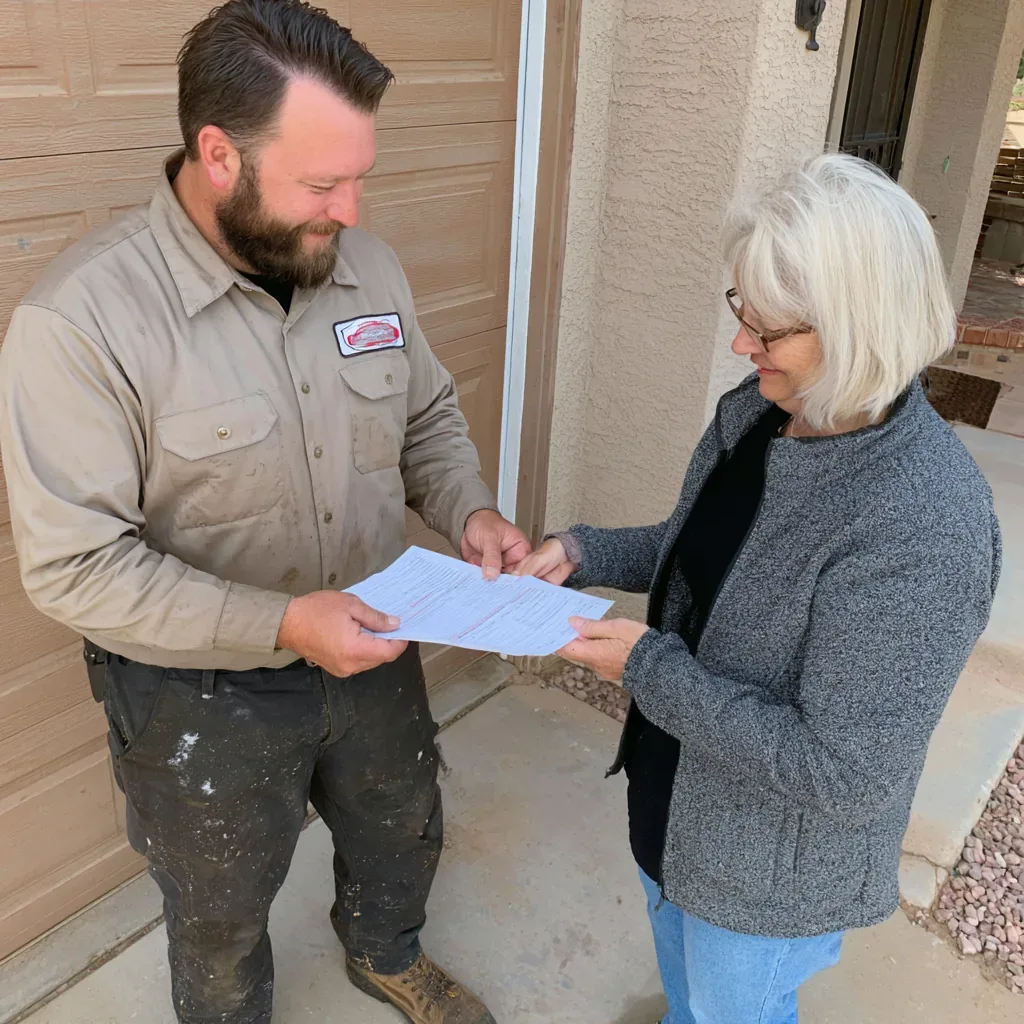
Know what the written findings cover—and where their limits begin
View Termite Report help in Rio Rancho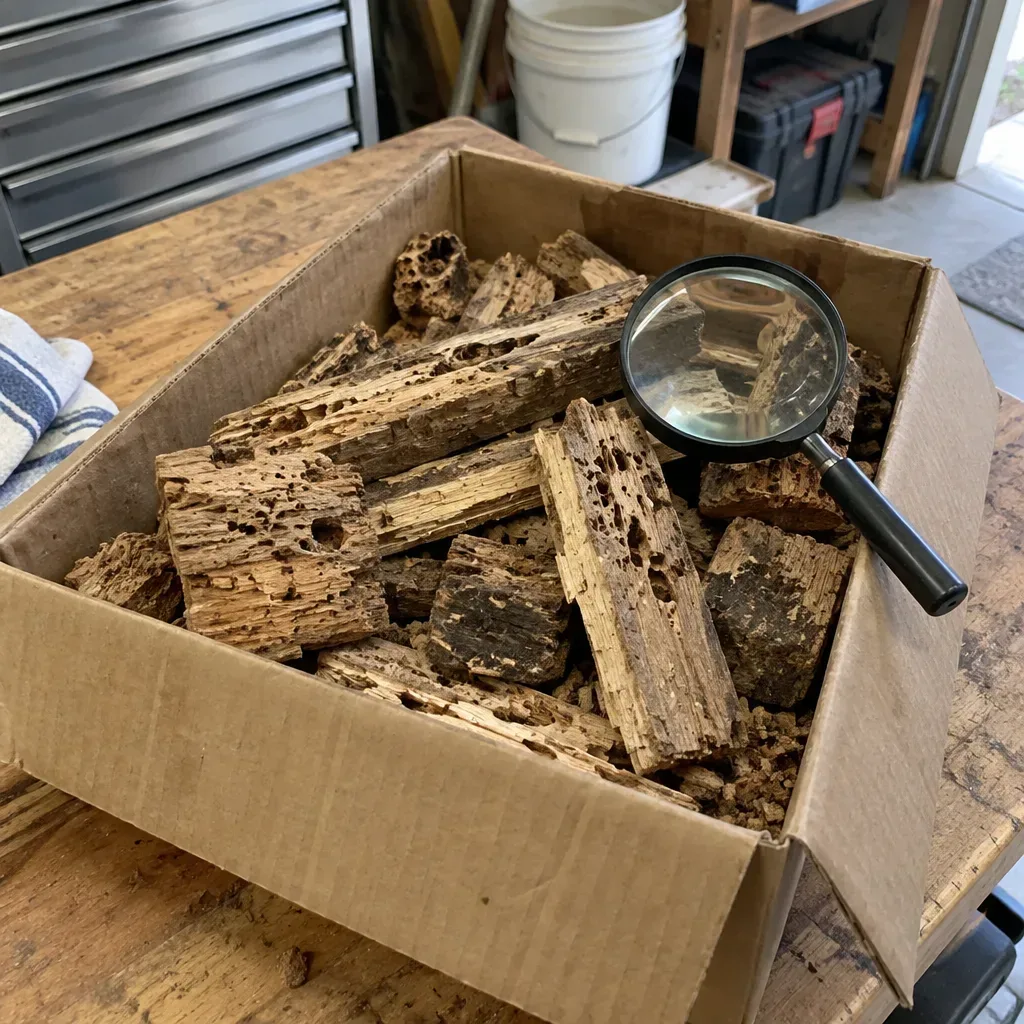
Liquid soil barriers can block subterranean termite routes around accessible foundations.
View Subterranean Termite Treatment help in Rio Rancho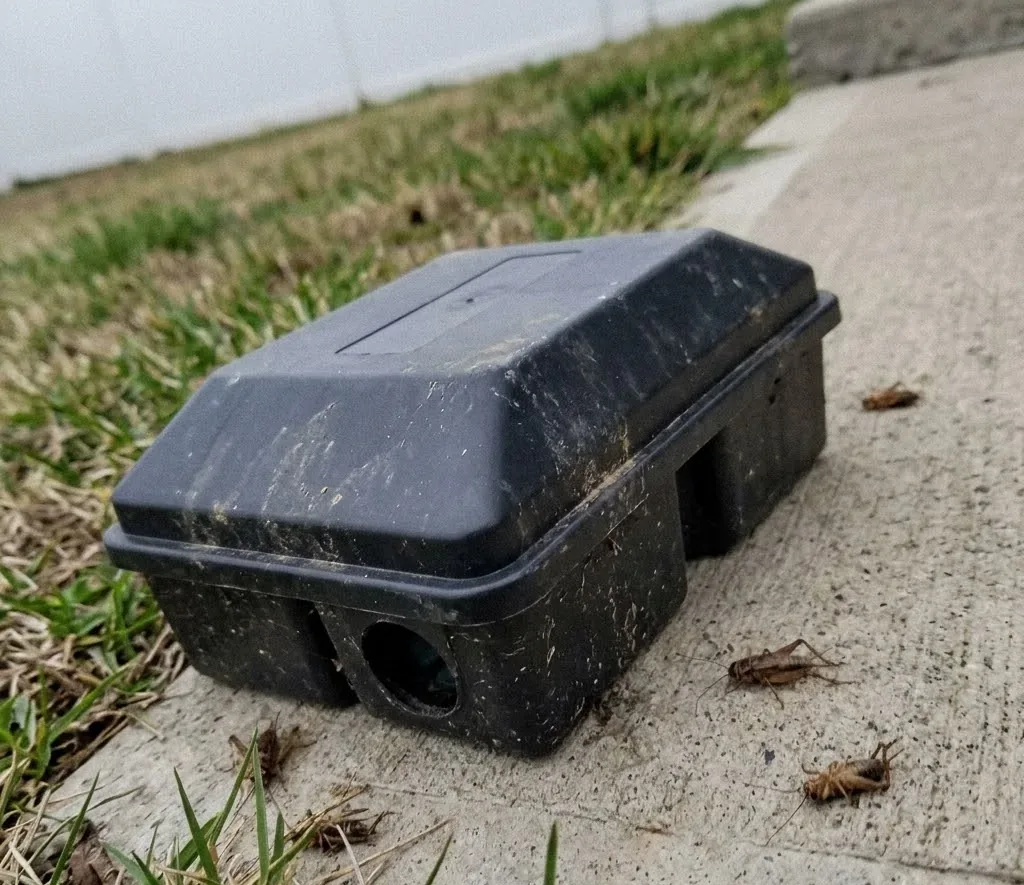
See how in-ground bait stations are placed around a Rio Rancho property.
View Termite Bait System Installation help in Rio RanchoUse the guides to describe observed signs, review possible treatments, and organize details for an inspection.
Review how inspection, treatment, bait stations, monitoring, reporting, and repairs relate before comparing written scopes.
Use the home guide to review termite clues, inspection steps, and questions to raise before treatment.
Ask for clear definitions of terms in the inspection findings, treatment plan, and written work scope.
Connect each clue, such as damaged wood or a mud tube, with an appropriate inspection step.
Start with an inspection when there are mud tubes, discarded wings, damaged wood, or another concern; those signs do not confirm active termites or identify the right response. In Rio Rancho, note where you saw the evidence and leave it undisturbed for the inspection. The findings can distinguish activity from damage or conditions that may support it. Treatment comes after that assessment, with the method based on the issue and the home.
An inspection is the evaluation; a report is the document that follows. For a Rio Rancho property, it can identify which areas were reached, summarize observations, and flag limits on what could be assessed. It may also note visible wood concerns or moisture and soil contact that warrant attention. A home near Haynes Park may have different access points from one along State Road 4, so the written findings should reflect the property inspected.
Yes. A written agreement can combine treatment with later monitoring when the findings call for both. Bait stations require follow-up checks to review activity and service the stations; any proposed treatment should also have a clear scope. Ask what each visit covers, how results will be recorded, and what would prompt additional work. Near The HUB or elsewhere in Rio Rancho, those details should be clear before the plan begins.
Not automatically. Termite control addresses the infestation; replacing or rebuilding damaged wood may be a separate repair. Ask for the treatment scope and repair work to be listed separately, including which visible areas were assessed and whether concealed damage needs further evaluation. In Rio Rancho, a home near the Rio Grande should not be judged by surface appearance alone: termites can affect wood inside walls. Have affected structural areas assessed before repairs are planned.
Leave suspected activity in place until it has been assessed. Do not scrape away tubes, discard wings, or cover damaged wood; those details may help the provider understand what was found. Note the location and when it came to attention, then share that with the inspector. For a Rio Rancho homeowner near Corrales Park, the landmark does not determine what is happening at the house. The evidence and accessible areas guide the assessment.
Treatment should follow an inspection because signs alone do not show the full extent or type of termite issue. A homeowner near Cabezon Park can note where a tube, wings, or damaged wood appeared and share that detail with the pros we connect you with. Ask how findings shape the proposed method, what monitoring involves, and whether the visit has a charge. A written scope should identify included areas and separate treatment, reporting, monitoring, and possible wood repair, along with any terms for retreatment.
Call (505) 398-8170