Schools
School Termite Control
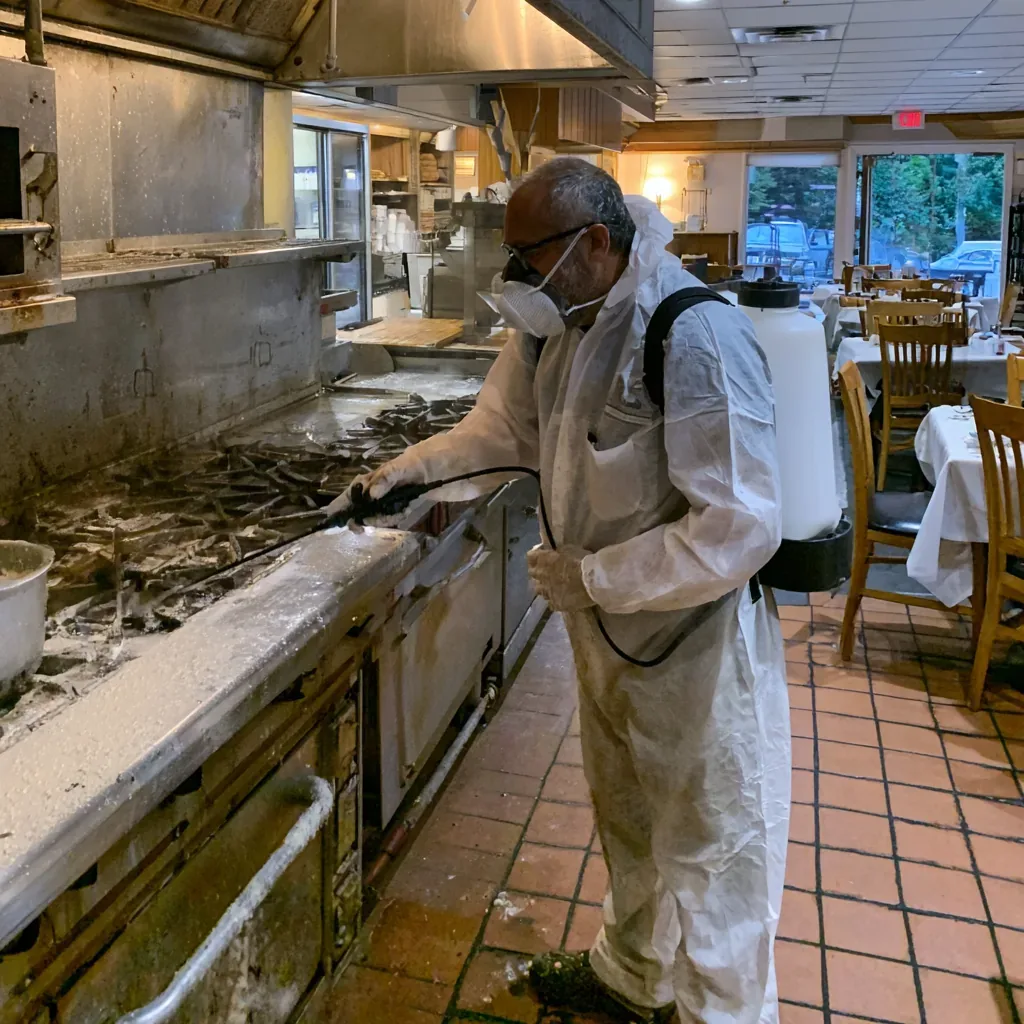
Plan restaurant termite control around kitchen access, food protection, and the service schedule in Rio Rancho.
Restaurants can limit disruption by arranging inspection and service around slower periods, identifying food and preparation areas that need protection, and recording access limits and follow-up. Share the service schedule and food-handling constraints with the provider before the visit.
Keep food service moving while the suspected area stays undisturbed for assessment. Before contacting the pros we connect you with, a Rio Rancho manager can note the affected room, the service schedule, and any food-handling limits that shape access. That gives the inspection a practical starting point. Restaurant termite control works best when the kitchen lead and provider agree on where work may occur and when staff can clear the space. The next steps are to plan access, protect preparation areas, and record what happens afterward.
A restaurant inspection has to account for more than the dining room. In Rio Rancho, list dry storage, receiving areas, dishwashing space, and any back rooms connected to the kitchen so the inspection plan reflects how the building is used. Clear routes to those spaces when possible, and identify rooms that cannot be opened during active service. If staff must move stock or equipment to allow access, assign that task before the visit. A mapped route helps the provider inspect relevant areas without sending staff through food preparation.
Marking work zones ahead of time helps staff keep food handling separate from service activity. A Rio Rancho manager can identify preparation counters, food-contact surfaces, and storage that must be protected or temporarily cleared, then ask the provider how the work area will be defined. Do not move food or equipment into an unplanned area just to make room. Near The HUB, for example, a site note can use that reference to orient a location, then identify the restaurant entrance and room precisely. Clear directions reduce confusion on arrival.
The schedule should fit the restaurant's actual service pattern. A Rio Rancho operator can share opening, prep, delivery, and cleanup windows so the provider can discuss whether after-hours termite treatment or another appointment time fits the site. Late work may reduce contact with staff and customers, but the manager still needs to arrange access, secure the work area, and know when it can be used again. Do not assume a treatment can happen during a quiet hour without coordination; the provider should confirm the work plan and timing in advance.
Delivery traffic can complicate access if an inspection or service overlaps with receiving. For a Rio Rancho restaurant, note when vendors unload and which door they use, then compare that with the proposed appointment window. Highway 41 can help orient a location in internal notes, but the address, entrance, and room details should guide the visit. If deliveries cannot pause, staff can coordinate a clear route with the provider before the appointment. That keeps carts and cases from blocking access and avoids pulling a kitchen employee away at the wrong moment.
| Area | Access window | Operations note |
|---|---|---|
| Site areas | Mark prep and storage zones | Share a route that avoids active food prep |
| Service windows | Note busy meal periods | Ask about after-hours termite treatment |
| Food contact | Identify exposed work surfaces | Agree on handling steps before work begins |
| Storage access | Flag secured food storage | Arrange access with the site manager |
| Staff handoff | Name a shift contact | Pass along access and work-area instructions |
| Visit timing | Compare open and closed hours | Choose a window that limits service interruption |
| Site notes | Log areas and constraints | Keep findings with the restaurant's service records |
| Service-hour planning | Record next steps and contact | Keep any scheduled access clear for the visit |
Some termite activity begins where wood meets soil, with entry concealed by building materials. For a Rio Rancho restaurant, the provider may need to consider the foundation and accessible exterior edges alongside interior food and storage areas. A kitchen wall can be part of the inspection route even when the concern was first noticed elsewhere. Subterranean termites typically live in soil, so the path into a structure matters when selecting a response. Share any limits on exterior access, such as delivery schedules or locked service areas, before the assessment is arranged.
Treatment planning should follow the inspection and the building's conditions. Foundation type, moisture conditions, and where activity is found can affect which approach is appropriate at a Rio Rancho restaurant. Commercial kitchen termites may call for attention to connected storage or utility spaces as well as the room where food is prepared, so the manager should explain how those areas connect. The provider can then describe the proposed work area and any access needed. That sequence helps avoid scheduling a method before the relevant spaces and constraints are understood.
If a plan uses bait stations, the restaurant needs to preserve access for later checks. A Rio Rancho manager can ask where stations will sit, add their locations to the site record, and make sure routine cleaning or stock movement does not cover or shift them. The system depends on periodic monitoring to assess activity, so a station that becomes inaccessible can disrupt follow-up. Assign a staff contact who knows the locations and can report when a station is blocked or moved. The provider can advise how to restore access.
Keep one record for the site that ties the inspection, work areas, and follow-up together. In Rio Rancho, a manager can log the date of each visit, rooms accessed, constraints reported by staff, and any next step the provider identifies. A written report may document findings in the areas inspected and conditions needing attention; it does not describe spaces that were inaccessible. If a note uses Corrales Park as an orientation reference, include the restaurant's own location details too. Consistent records help a new shift lead understand what was reviewed.
Follow-up should have an owner inside the restaurant. A Rio Rancho manager can assign one person to receive provider updates, relay access needs to kitchen staff, and keep the site record current. If the provider asks to return to a room or check a monitoring station, that request should reach the next shift before the visit. Without a handoff, staff may block access or repeat questions that were already answered. A brief entry after each contact preserves what was agreed and leaves unresolved items visible for the next decision.
When staff suspect termite activity, leave the material in place for the assessment and note the exact room and time it was noticed. In Rio Rancho, a manager can ask the employee who found it to describe nearby equipment or storage without touching or removing anything. Share that account with the provider so the inspection can begin at the right location. If the area is part of food preparation, follow the restaurant's own food-handling procedures while deciding who can enter. An accurate handoff is more useful than an improvised cleanup.
A shift change can lose details unless someone passes them on directly. For a Rio Rancho restaurant, the manager can record which rooms are available, which must wait until service ends, and who will meet the provider. Keep the note where the responsible shift lead can find it, while limiting access to staff who need it for operations. If the plan changes because a room is in use, tell the provider before work begins. That gives both sides a chance to adjust timing without leaving kitchen staff guessing.
A restaurant may need to balance guest service with time to reach less visible spaces. In Rio Rancho, explain whether staff can briefly clear a storage aisle, open a back room, or provide exterior access during the proposed window. These details help the provider set a workable inspection scope and reduce repeat visits caused by blocked areas. A manager should also ask which locations remain unassessed if access is limited. Naming that gap in the record gives the restaurant a clear follow-up task instead of leaving uncertainty about what the visit covered.
The useful measure of a workable plan is whether staff can carry it out without losing track of food-service duties or follow-up. A Rio Rancho manager can bring the area notes, service schedule, and food-handling constraints to the assessment, then record the agreed access and monitoring tasks. Ask who will provide updates and what information staff should send if conditions change. With those responsibilities clear, the restaurant can coordinate inspection and any later work around its operation, while the provider bases recommendations on the areas and conditions actually assessed.
A written service log gives the manager a reliable handoff between shifts and between visits. Record which rooms were available, any areas that could not be reached, what work was completed, and what follow-up remains. In Rio Rancho, an operator near Cabezon Park can use the same record format at each location, so a new manager does not have to reconstruct the history from memory. Keep the log with site maintenance records and update it after each visit; gaps can leave recurring access limits or monitoring needs unnoticed.
Start with the property's location when seeking termite help; the links identify communities to discuss with the pros we connect you with when checking coverage, includingLos Ranchos de Albuquerque, Rio Rancho and Corrales. Before booking, confirm whether the visit carries a charge and whether the property falls within the provider’s travel area.
A warehouse, shop, or office is generally priced by visit, with the building’s size and how often it needs service affecting the quote. Use $75–$250 as an inspection-cost guide. Site access, inspection findings, treatment scope, and any planned monitoring can shift the final estimate.Commercial cost turns on the building’s size, foundation, access, and areas included; those details change treatment materials, monitoring needs, and total. When calling about a Rio Rancho site near Osuna Park, describe its use, construction, known activity, and access limits so the pros we connect you with can scope it.Find every termite service band in the pricing guide; the commercial overview explains how scheduled commercial programs are arranged.
Arrange the inspection for a period when dining and food preparation are paused, and share the service schedule before the visit. The pro can plan access to storage and kitchen areas around receiving, setup, and cleanup. If a room cannot be made available, note that limit in the visit record and agree on a time to inspect it. This helps the restaurant keep service moving while making the inspection scope clear.
Before work begins, identify preparation surfaces, food-contact equipment, stored ingredients, and rooms that must stay in use. The provider should explain which areas need to be cleared or kept accessible and when staff can return to them, following product directions. Coordinate those steps with the kitchen lead so food and utensils are protected and the work area is not used during service.
Keep a site record with the affected room, inspection date, access limits, work completed, and any scheduled monitoring. At a Rio Rancho location near Haynes Park, a manager can use it to brief the next shift and compare notes across visits. Ask the provider to identify any area that still needs access or follow-up, then assign a staff contact to track it.
If a monitoring station is part of the plan, keep it accessible and include its location in the site log. Staff should not move or disturb it without checking with the provider, because scheduled checks are needed to assess activity. Note blocked access or changes in the surrounding area so the next visit can address them.
Document the affected rooms, service windows, and food-handling limits before requesting an assessment for your Rio Rancho restaurant.
Call (505) 398-8170