Restaurants
Restaurant Termite Control
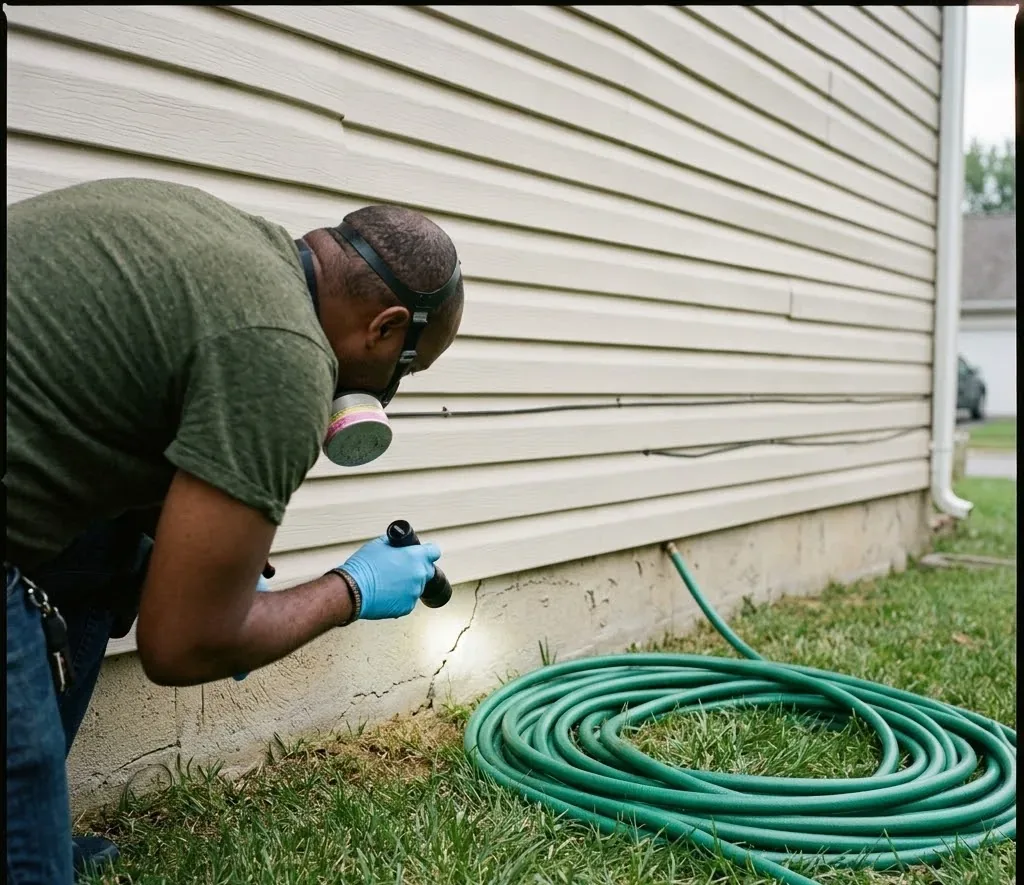
Campus inspection records help Rio Rancho schools track findings, access, treatment, and follow-up across buildings.
Schools can start with a building list, then arrange inspections that record findings, access limits, and areas needing follow-up. Keep reports and treatment notes by building, schedule work around school operations, and track monitoring so campus-wide activity is easier to review.
School termite control works best as a campus record, not a stack of disconnected work orders. A facilities manager needs to know which buildings were checked, what was observed, where access was limited, and what follow-up remains open. In Rio Rancho, start with a building list that records known concerns and school-calendar constraints. The pros we connect you with can use that map to organize an assessment across classrooms and other campus buildings, while staff can plan around the places and times students need uninterrupted access.
Give every building a stable name in the campus register, then note its use, access contact, and any areas that could not be entered. A classroom wing, storage area, and administrative building may have different access windows even on one campus. In Rio Rancho, a facilities team can also use familiar references such as Cabezon Park, Haynes Park, and Rio Rancho Aquatic Center when organizing internal site notes. Clear labels help keep inspection findings attached to the right building as staff and schedules change.
A campus record works best when each entry points to a stable building code and a marked location on the district’s own map. In Rio Rancho, the map can use familiar reference points such as Top Form Arena to orient staff without implying that a school is on the site. Keep the code consistent when rooms are renamed or buildings change use; otherwise, older notes can be mistaken for a new issue. This gives the assessment a clear starting point and lets later updates stay attached to the right place.
Use the same report fields at every Rio Rancho school: building code, room or exterior zone, inspection date, areas reviewed, and any limits on access. Consistent entries make it easier for facilities staff to compare records across a campus and spot gaps in coverage. A district can keep a summary index for planning while retaining each building’s full report. That way, a brief status update does not replace the detail needed when work is assigned or revisited.
Staff notes are more useful when they preserve sequence. In Rio Rancho, record when a concern was first raised, who passed it along, its precise location, and whether it changed before the assessment. Keep photographs with their room or exterior-zone labels, if available, and do not disturb the material being reported. A dated trail helps the assessor compare the original concern with later findings, while preventing an old note from being treated as evidence of a current condition.
| Building | Record | Next step |
|---|---|---|
| Building inventory | Building name and campus location | Keeps Rio Rancho records distinct from Corrales or Bernalillo files |
| Observation log | Date, room or area, and reported sign | Gives the assessor a clear starting point |
| Access notes | Restricted rooms and staff contact | Helps coordinate entry across buildings |
| Inspection report | Areas checked, observed activity, visible damage | Shows findings and areas needing attention |
| Treatment scope | Locations, method, and work boundaries | Clarifies which buildings and areas are covered |
| Service record | Work completed and building locations | Links completed work to the written scope |
| Station log | Station locations and monitoring notes, if used | Keeps stations findable for later checks |
| Follow-up register | Open items, next steps, and assigned contact | Carries unresolved findings into future reviews |
Before school termite control begins, assign a facilities contact for each Rio Rancho building and identify who can provide entry to locked rooms, storage areas, and utility spaces. A schedule should state how staff will be notified and where the contact will meet the assessor. For a campus mapped with a reference such as Corrales Park, use the district’s internal building names as the actual access instructions. Clear handoffs reduce missed rooms and make follow-up visits easier to arrange.
Wood damage can occur inside walls or other concealed spaces, so an intact visible surface does not establish that hidden areas are unaffected. The report should identify visible damage and note where further evaluation may be needed, without presenting an unseen extent as confirmed. In Rio Rancho, facilities staff can use those notes to route questions to the right maintenance contact and keep repair planning tied to the inspected area. That prevents a campus log from overstating what the evidence shows.
When campus termite treatment involves several Rio Rancho buildings, track each site as its own work item, even if visits happen in one appointment block. Note what remains open after each visit, who owns the next action, and what information is still needed. Separate entries help a district avoid marking a whole campus complete when one building or room has not been addressed. Carry unresolved items into the next facilities review so they do not disappear between vendors or school terms.
School operations shape access. A provider may need staff to arrange entry to classrooms, storage rooms, mechanical spaces, or other secured areas, and occupied rooms may have narrow openings in the schedule. Before an assessment in Rio Rancho, the facilities contact can identify room contacts, access restrictions, testing periods, and times when halls must stay clear. When those limits are shared early, the visit plan can cover buildings in a workable order and reduce avoidable interruptions.
Match the work plan to the school calendar, then record any areas postponed and why. A summer opening, school break, or after-hours window may make some spaces easier to reach, while active classrooms may require coordination with school staff. For Rio Rancho campuses, the record should show whether a building was fully reviewed or needs a return visit. Without that distinction, a skipped space can be mistaken for a space with no findings.
After a Rio Rancho treatment visit, retain a record that identifies the building and areas addressed, the service date, the work described, and any return visit or monitoring action recommended. Ask that the closeout note distinguish completed work from items awaiting access or further assessment. If a monitoring system is included, record where its stations are placed and how they will be checked. These details give facilities staff a usable history when reviewing the site or arranging later termite service for schools.
After work is completed, retain the treatment record with the corresponding building entry. It should make clear which locations were treated, what follow-up the provider specified, and which areas remain outside the documented scope. A termite service for schools needs records that can be handed between facilities staff without losing the history. In Rio Rancho, that continuity helps the next coordinator understand what was done and what still requires a decision, rather than relying on memory or an unlinked invoice.
Monitoring is a scheduled responsibility when the plan uses bait stations. The stations need periodic checks to assess activity, and they must remain accessible for service. Record their locations and the monitoring visit findings with the building file; avoid moving or disturbing a station without checking with the provider. For Rio Rancho facilities teams, a shared station map and follow-up log help prevent routine grounds or maintenance work from obscuring the monitoring record.
Build access windows around the school calendar, including exams, meal periods, and after-school activities, then share the schedule with building contacts in Rio Rancho. A campus reference such as the Rio Grande can help staff orient a service-area map, while room numbers and district directions should guide the actual visit. Keep a backup window for rooms that become unavailable. Recording changes as they happen helps the district tell whether a missed area needs a new appointment or was completed later.
A campus record is useful only when staff can match each finding to a building and location. In Rio Rancho, a facilities manager can keep a shared log for classrooms, offices, storage areas, and other campus buildings, noting what was observed, when access was available, and which areas could not be checked. Attach the inspection report and treatment scope, then record completed work and any monitoring instructions. This gives the next reviewer a clear history, helps compare findings across buildings, and flags follow-up that could otherwise disappear during a staff or schedule change.
A service boundary matters when arranging an inspection: check county coverage with the pros we connect you with and ask about the linked locations, includingCorrales, Bernalillo and Los Ranchos de Albuquerque. Check for any inspection or travel fee when arranging a visit, and ask whether service reaches the property address.
A warehouse, shop, or office is generally priced by visit, with the building’s size and how often it needs service affecting the quote. Use $75–$250 as an inspection-cost guide. Site access, inspection findings, treatment scope, and any planned monitoring can shift the final estimate.Commercial cost turns on the building’s size, foundation, access, and areas included; those details change treatment materials, monitoring needs, and total. When calling about a Rio Rancho site near Osuna Park, describe its use, construction, known activity, and access limits so the pros we connect you with can scope it.Find every termite service band in the pricing guide; the commercial overview explains how scheduled commercial programs are arranged.
A school termite inspection report should identify the Rio Rancho building and areas reviewed, note any places the assessor could not enter, and describe the findings and recommended next steps. It should also clarify which work is proposed, what follow-up or monitoring is planned, and who should receive later updates. Keep supporting photographs or staff notes with the matching location. A consistent record helps facilities teams track open items across classrooms and other campus buildings.
Coordinate access with school staff before setting the assessment schedule. A building list should flag classrooms in use, restricted rooms, and calendar windows when access is easier. In Rio Rancho, scheduling across a campus may require separate visits if buildings cannot be opened together. Record which areas were reached and which remain unchecked; a missed room should not be treated as a cleared room. The pros we connect you with can use those limits to plan the next visit.
A campus report can cover several buildings if it identifies each one and records where findings were observed. Ask for clear building names, inspected areas, access limits, and separate notes on activity, damage, and conditions that may need attention. A single summary without those details makes follow-up harder, especially when work near The HUB or Haynes Park involves separate facilities. Keep the report with the treatment scope so staff can trace each recommendation to its location.
Record each monitoring visit by building and station location, with the date, observations, and any change that calls for follow-up. Keep the station map and service notes together, and note when access was blocked or a station could not be checked. That history helps facilities staff see whether activity is changing and gives the next reviewer a reliable starting point. Follow the monitoring schedule and instructions documented in the treatment plan.
Prepare the campus building list, prior findings, access limits, and calendar windows before arranging an assessment with the pros we connect you with.
Call (505) 398-8170