Signs in Wood
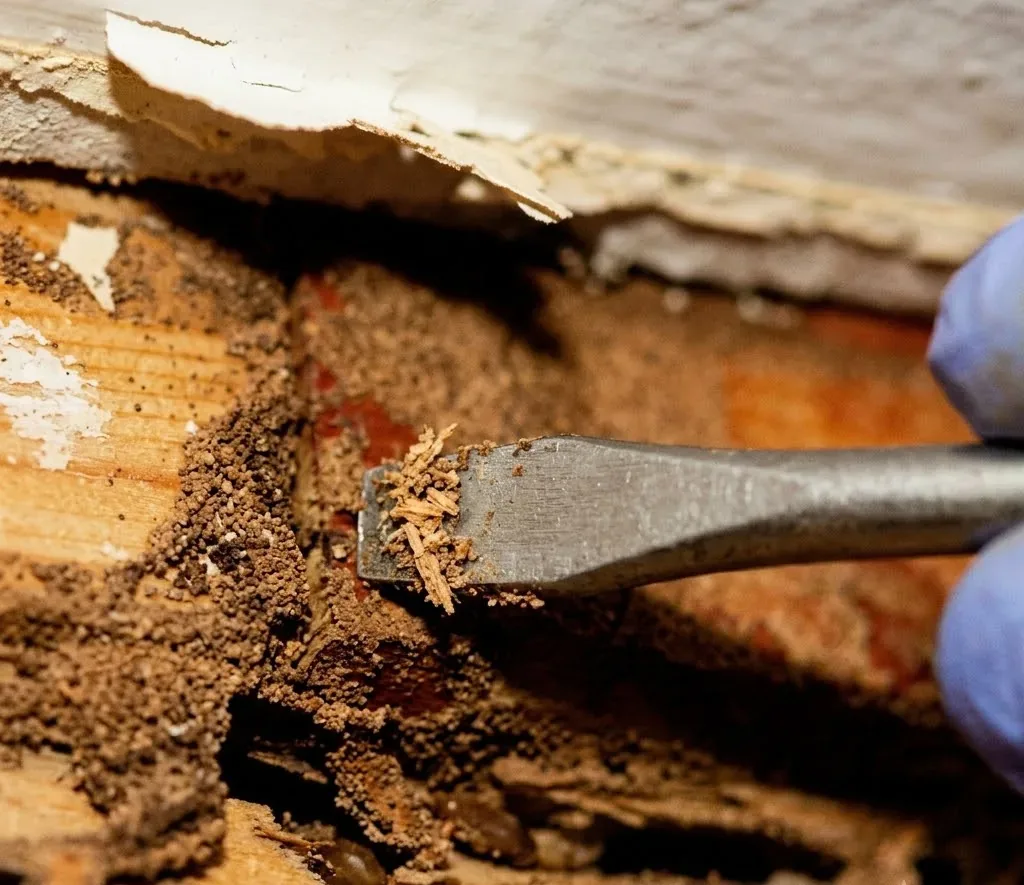
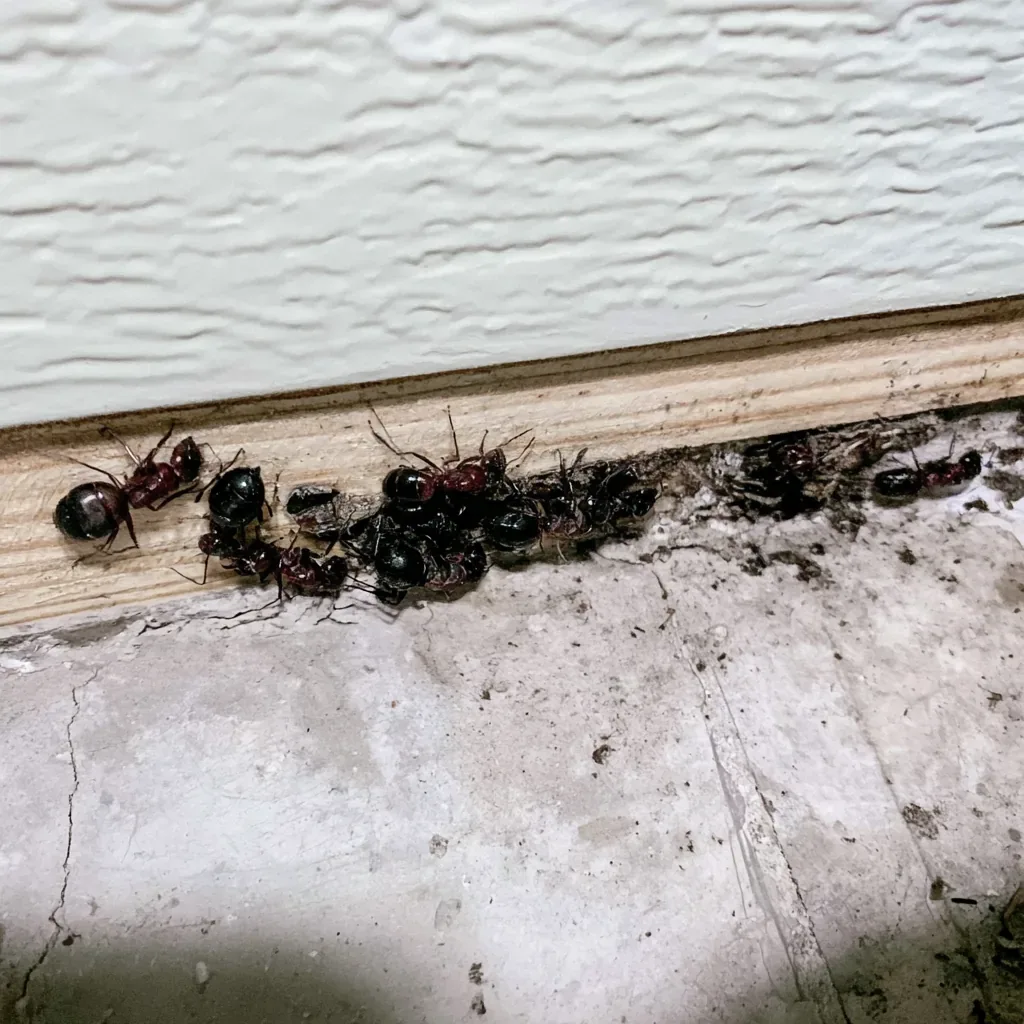
Termite damage signs can show up in wood, wall finishes, or floors, but a surface clue alone cannot confirm the cause. In Rio Rancho, a homeowner might first notice a spot that looks or feels different from the surrounding area. The pattern and location matter: damage inside wood may be hidden behind an intact surface, while a visible change may have another explanation. Note where the change appears and what looks different. If termite damage is suspected, stop short of opening or disturbing the area and request an inspection.
In Rio Rancho, a door frame that gives way under light pressure or a floorboard that flexes can point to weakened wood, though age or moisture can cause similar changes. On walls, rippled paint or a patch that feels soft may reflect damage behind the finish; the surface alone cannot identify its cause. A homeowner near Kuaua Pueblo might note which boards, wall sections, or floor areas feel different, then request an inspection from an independent local professional. Leave questionable material undisturbed until it can be assessed.
Changes to Walls and Finishes
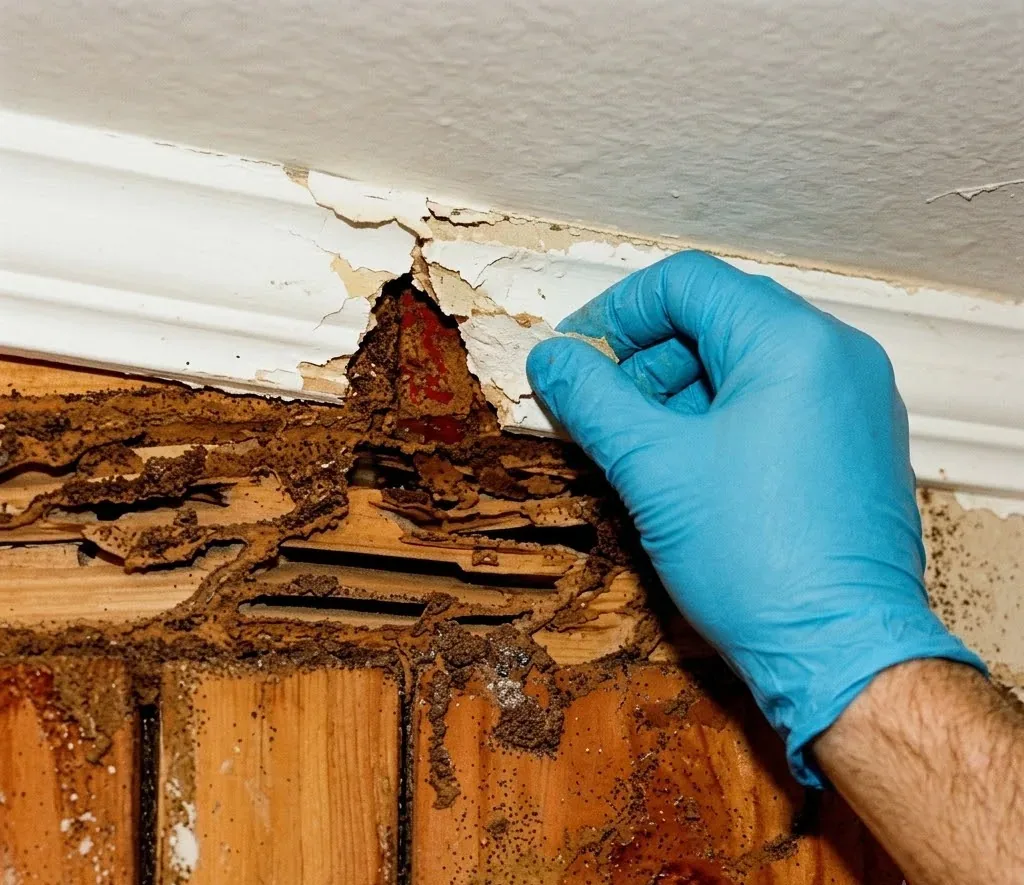
A wall can show termite damage as bubbling paint, a raised patch, or a surface that looks uneven beside the surrounding finish. Such changes may reflect disruption beneath the surface, but they do not identify termites by themselves. A homeowner near Cabezon Park who notices a new-looking bulge should note its position and size without scraping it open. Damage within a wall may extend beyond what the finish reveals, so a visual glance can leave important questions unanswered. An inspection can help assess what is visible.
Changes around a doorway or along a wall deserve attention when the finish or adjoining wood no longer looks consistent. A small patch can be easy to dismiss, yet its location may help an inspector trace where visible damage begins and ends. For a Rio Rancho home, note whether the change is on the wall, trim, or frame, and describe what differs from nearby surfaces. Avoid treating paint appearance as proof: bubbling can have more than one cause, and concealed damage may not show at the surface.
Soft or Uneven Floors
A floor that feels soft, dips, or seems uneven can be a sign that wood below the walking surface has weakened. The change may be subtle at first, so compare the affected spot with adjacent flooring and note where the difference starts. A homeowner in Rio Rancho should not assume that every uneven floor points to termites; the visible feel is a clue, not a diagnosis. If the floor seems compromised, stop putting weight on the suspect area and ask an independent local professional to assess it.
Flooring can cover structural wood, which means its surface may not reveal how much material underneath has changed. A soft patch or sagging area is therefore useful information, even when no damaged wood can be seen directly. In Rio Rancho, note whether the change occurs at a threshold, beside a wall, or in an open stretch of floor; that detail can help the inspector understand the location. Do not pull up flooring to investigate suspected termite damage. Hidden areas need assessment without turning a clue into a larger disturbance.
What Visible Clues Cannot Show
Visible damage shows only what can be seen from the room; wood inside a wall or beneath a floor can be affected while the finish still looks ordinary. That limit matters when a homeowner finds one weakened board or a patch of bubbling paint and wonders whether the problem ends there. In Rio Rancho, write down the room and the exact surface where the change appeared. An inspection can examine accessible areas, document visible damage, and help distinguish a sign worth further evaluation from a confirmed infestation.
A clean-looking surface does not rule out termite damage in walls, since framing can be concealed behind paint or drywall. Likewise, a soft spot in a floor shows a problem but cannot establish what caused it or how far it extends. A door that begins to stick can also signal a change around its frame. Notes help an independent local professional focus the inspection; visible clues alone cannot confirm the source or full extent.
Dealing with termite signs at your home?
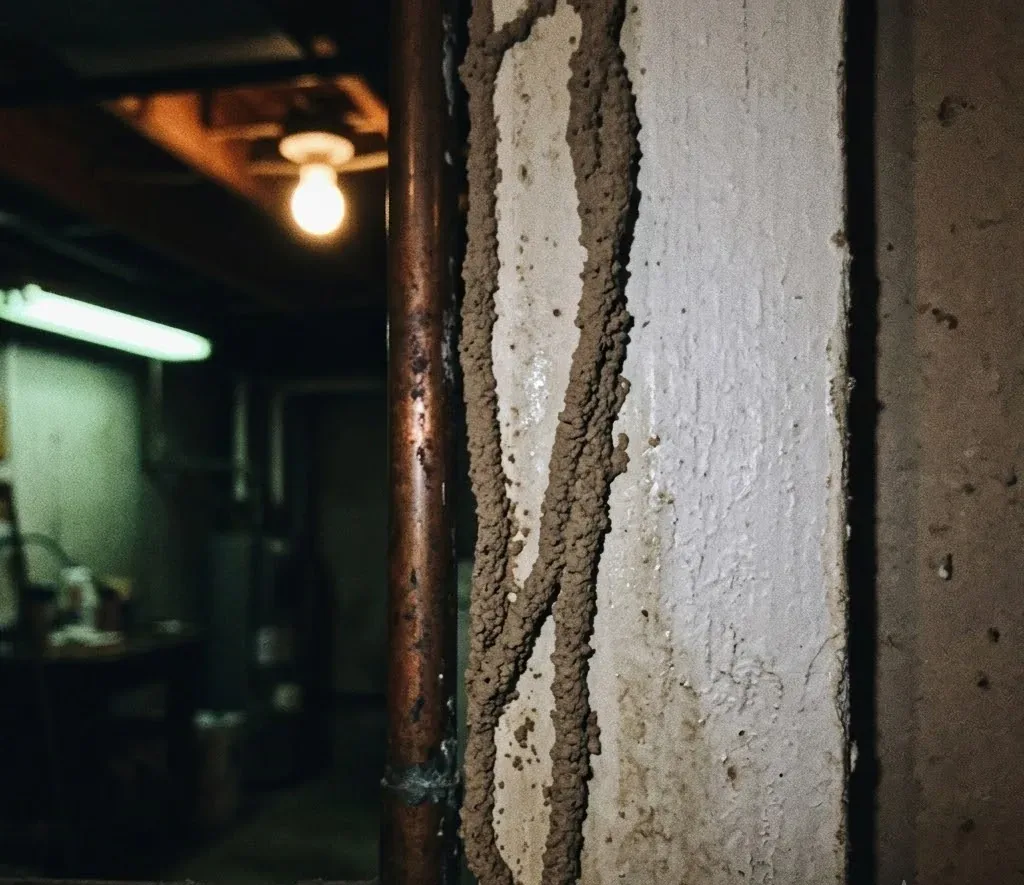
Leave suspected activity intact; do not pry, scrape, or spray it. Keep the area open for inspection, and note anything you cannot safely access. Inspection notes should describe the feature, not rely on a landmark: a homeowner near Edgewood/Osuna Park might mark a tube at a foundation seam; near Hartnett Park, wings at a window; near the Nature Center, wood touching soil. Ask whether the inspection will include nearby areas beyond the spot where the sign appeared. Request written findings and discuss any proposed treatment before deciding.